Coastal Raptors: Where to See Peregrines and Kestrels by the Sea
Coastal raptors are among the most electrifying birds to watch. A peregrine slicing past a cliff face or a kestrel hovering over marram grass can turn a blustery walk into something memorable. The UK coastline offers some of the best chances to see both species, and you don't need luck on your side—just a little fieldcraft, patience and an understanding of where each bird likes to hunt.
Peregrines and kestrels are very different raptors in size, style and habitat, yet the coast brings them into close company. One is a high-speed aerial predator built for open sky and sheer drops; the other is a small, wind-hovering specialist that thrives along dunes, clifftops and rough grassland. Learn to read the landscape and you can improve your chances dramatically, whether you are on a winter seawatch or a summer walk above the waves.
Cliffs: The Peregrine's Vertical Kingdom
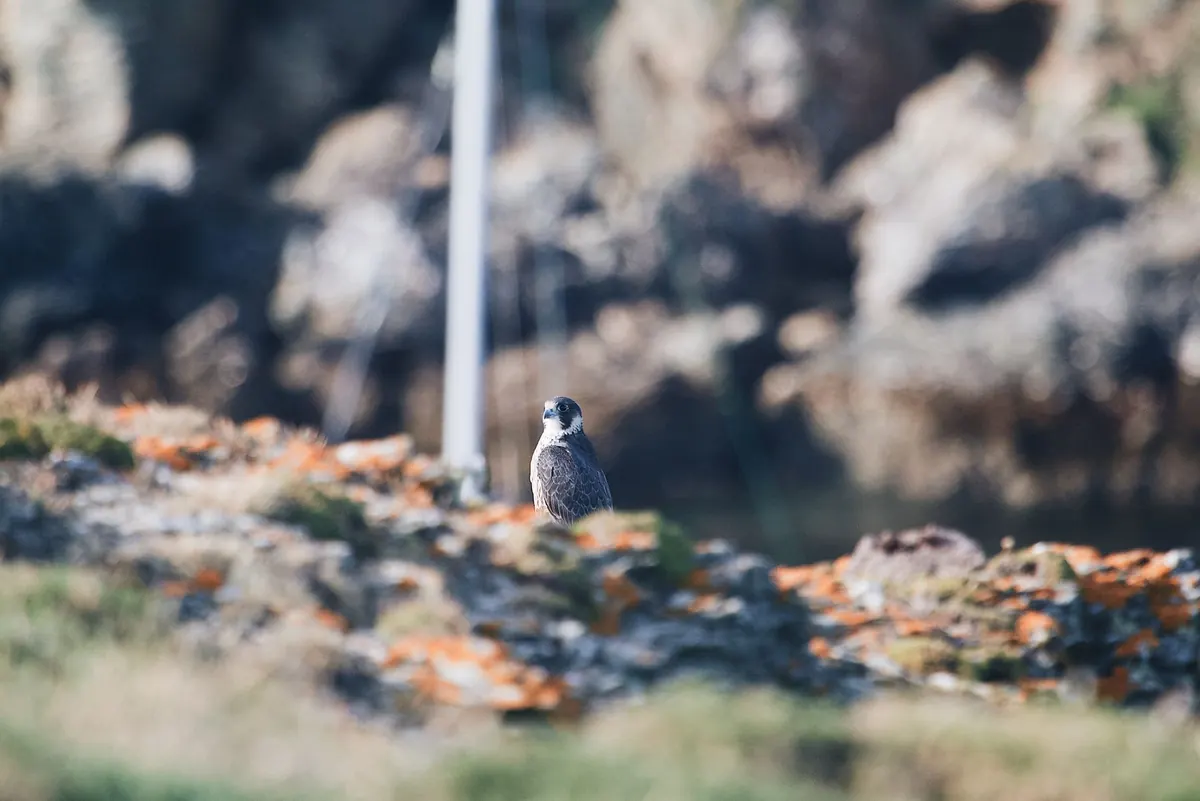
Peregrines favour sheer rock faces, coastal stacks and old quarry workings. They are resident in many areas, so you can look for them year-round. Scan ledges for whitewash—the chalky streaks of droppings—and look for prey remains or plucking posts. A peregrine perched on a prominent point is often silhouetted against the sky, especially early in the morning when the light is low and the rock is still cool.
On the coast, peregrines hunt pigeons, waders and ducks. Their flight is direct and powerful, with fast wingbeats and sudden bursts of speed. The famous stoop is unforgettable: a closed-wing dive that can end with a sharp upward flick as the bird pulls out of the drop. Kestrels also use cliffs, but they tend to choose smaller ledges and are more likely to hover. Watch the cliff face and the air above it. Onshore winds can push prey close to the rock, creating hunting opportunities.
Cliff-nesting peregrines often choose sites with a commanding view. Look for a ledge that is protected from above, difficult for mammals to reach and close to a reliable food supply. In spring and early summer, adults may be noisy and defensive, chasing buzzards, ravens or gulls away from the nest. At this time, keep a respectful distance and use binoculars or a scope rather than approaching the edge.
Reading the Cliff: Signs to Look For
- Whitewash: long vertical streaks below a favoured ledge or perch.
- Plucking posts: small piles of feathers, often from pigeons or waders, on a flat rock or grassy top.
- Prey remains: bones, wings or pellets that show a regular feeding site.
- Alarm calls: panicked gulls, oystercatchers or pigeons can reveal a peregrine before you see it.
- Silhouettes: a compact, broad-chested shape on a distant outcrop, often facing into the wind.
Dunes and Coastal Grassland: Kestrel Country
Kestrels are the gentle counterpoint to the peregrine's speed. They favour dunes, coastal grassland, rough fields and the edges of saltmarsh, where small mammals and insects are plentiful. The classic view is a kestrel hovering into a headwind, tail fanned, head held perfectly still while the wings beat in quick bursts. It is a hunting method that allows the bird to scan the ground below for voles, mice, shrews, beetles and grasshoppers.
On the coast, kestrels often use fence posts, dead branches, rocky outcrops and even signs as perches. From these lookouts they drop onto prey or launch into a hover. Dune systems with marram grass, sea buckthorn and patches of bare sand are especially productive, because they support high numbers of small mammals. In winter, kestrels may move to milder coastal areas, and you can sometimes see several birds along a single stretch of dune or clifftop field.
Look for kestrels hovering at the edge of a dune slack, over a rabbit warren or along a grassy cliff top. They also hunt from a low glide, quartering the ground with slow, deliberate wingbeats. Unlike peregrines, they rarely chase prey at high speed over long distances. Their strength is patience and precision: a short stoop, a quick pounce, then back to a perch to eat.
Hovering and Hunting
A hovering kestrel is not simply hanging in the air. It is constantly adjusting to the wind, using its tail and wings to stay fixed over one spot. When it spots movement, it may drop in stages, hovering lower and lower before finally dropping onto the prey. If the wind is too still, kestrels often switch to perch-hunting; if it is strong and steady, hovering becomes easier. That is why exposed coastal sites are so good for watching them.
Best Times and Conditions
Early morning and late afternoon are usually best. Raptors need to hunt after cold nights and before dusk, and the low sun makes them easier to see against the sky. Coastal winds matter, too. A moderate onshore breeze compresses prey against cliffs and dunes, while a strong gale can keep birds grounded or sheltering. After a storm, look for peregrines patrolling the cliff line and kestrels working the sheltered side of dunes.
Season by season, the coast changes. Spring brings display flights, courtship calls and nest-building. Summer offers long days and young birds learning to hunt. Autumn and winter can be excellent for waders and wildfowl, which in turn attract peregrines. Kestrels are present all year, but their hunting is often most visible in winter when vegetation is low and small mammals are active in daylight.
Where to Go: Coastal Hotspots to Try
- Cornwall and Devon: The cliffs around Land's End, Boscastle and the Lizard offer peregrine viewpoints, while dune systems and moors nearby suit kestrels.
- Pembrokeshire: Sites such as Stack Rocks, St Govan's Head and Ramsey Island are classic peregrine country, with kestrels over coastal fields.
- Yorkshire coast: Bempton Cliffs and Flamborough Head are famous for seabirds, but peregrines hunt the cliffs and kestrels quarter the clifftop grassland.
- North Norfolk: The dunes and saltmarsh around Holme, Titchwell and Scolt Head are good for kestrels, with peregrines more likely in winter.
- Scotland: Orkney, Shetland and the Outer Hebrides offer dramatic coastal raptor watching, including peregrines on sea cliffs and kestrels over machair.
These are not the only places, of course. Any stretch of coast with tall cliffs, a healthy population of seabirds and open grassland nearby is worth a slow, quiet scan.
Fieldcraft and Etiquette
Finding raptors is largely about being invisible. Wear dull colours, move slowly and avoid skylining yourself on a clifftop. Use binoculars rather than walking closer, and keep your voice low. If a bird stares at you, calls repeatedly or leaves a perch, you are probably too close. During the breeding season, never approach a nest ledge and never use playback to lure birds into view.
Watch the bird, not the crowd. A quiet observer on a distant path often sees more than a group pressing towards the cliff edge.
Dogs should be kept under close control, especially around ground-nesting birds. Keep to paths where they exist, and avoid disturbing feeding or roosting flocks. Responsible watching protects the very birds you have come to see.
How to Tell Them Apart
- Peregrine: larger, broad-chested, long pointed wings; fast, direct flight; often perched on a high ledge or headland.
- Kestrel: smaller, slimmer, with pointed wings and a long tail; frequently hovers; often perched on posts, wires or low rocks.
- Flight style: peregrines power through the air with deep wingbeats; kestrels flutter and hover, then drop suddenly.
- Habitat clue: peregrines command big vertical spaces; kestrels work the ground and the wind.
In poor light, size and behaviour are your best clues. A distant raptor hovering over marram grass is almost certainly a kestrel. A larger bird streaking along a cliff face, scattering pigeons, is likely a peregrine.
Conservation and Responsible Watching
Both species have faced pressures from persecution, pesticide contamination and habitat change. Peregrines have recovered strongly in many areas, but they remain vulnerable to disturbance at nest sites. Kestrels have declined in parts of the UK, making coastal and farmland habitats increasingly important. By supporting nature reserves, recording your sightings and avoiding disturbance, you can help ensure these birds remain part of the coastal scene.
Final Thoughts
Coastal raptors reward patience. You may spend an hour watching empty cliffs before a peregrine appears like a thrown knife, or walk a dune path without seeing a kestrel until one suddenly hovers beside you. That unpredictability is part of the appeal. Take a scope if you can, learn the signs, respect the birds and keep returning. The sea and the sky do the rest.
Photo: Maël BALLAND / Pexels