Falconry is one of those pursuits that looks effortless from a distance and turns out to be anything but. Watching a hawk turn on a sixpence and return to the fist is the reward for months of quiet, patient work — and for most people, the first step is not buying a bird at all. It is finding someone who knows what they are doing and learning alongside them.
This guide covers what falconry actually asks of you, the equipment you will need, how training usually progresses, and the legal points to check before you keep or fly a bird of prey in the UK.
What Falconry Really Involves
Falconry is the taking of wild quarry with a trained bird of prey. It is not the same as simply keeping a bird in an aviary, and the distinction matters — both for the bird's welfare and for how you spend your time.
A working bird is flown regularly, often daily, and its fitness, weight and behaviour all depend on that routine. A hawk that sits on a perch for weeks at a time is not a falconry bird; it is a captive animal, and it will often show it through poor feather condition, boredom and stress.
Be realistic about the commitment. Birds of prey need feeding, weighing, exercising and cleaning out every single day, including Christmas morning and the days you feel unwell. If that sounds like a burden rather than a pleasure, falconry is probably not for you — and there is no shame in that.
The Legal Basics in the UK
Falconry in the UK sits within a framework of wildlife, animal welfare and species licensing law, and the details differ across England, Scotland, Wales and Northern Ireland. Rules also change, so treat this as a starting point rather than legal advice.
Keeping certain birds of prey requires documentation. Species listed under CITES arrangements generally need an Article 10 certificate to be sold or, in some cases, kept, and some birds must be ringed and registered. There are also restrictions on taking birds from the wild, and on releasing non-native species. Before you acquire any bird, check the current requirements with the relevant authority — Natural England, NatureScot, Natural Resources Wales or DAERA in Northern Ireland — and speak to a club.
There are additional considerations if you intend to hunt. Quarry species, seasons, and the land you fly on are all subject to rules, and you need the landowner's permission. If you are unsure about any of this, take proper advice from the relevant body or a solicitor before proceeding.
Welfare Comes First
The single most important thing a beginner can learn is how to manage a bird's weight and condition safely. Falconers fly birds at a "flying weight" — lighter than their free-fed weight, but not hungry to the point of weakness. Getting this wrong is one of the most common causes of illness and loss.
Weigh your bird daily on accurate scales and keep records. Learn to read body condition — the keel, the breast muscle, the bird's alertness — rather than relying on the number alone. A bird that is too light will be weak, prone to chilling, and may not fly well at all.
Housing matters too. Birds need protection from wind and driving rain, somewhere to bathe, and a perch suited to their species. A good weathering area, where the bird can sit out in safe weather, does a great deal for feather and foot health.
The daily checks worth building into your routine
- Weight, recorded before feeding
- Feather condition, especially the tail and primaries
- Feet — look for swelling, cuts, or pressure sores (bumblefoot)
- Droppings — colour and consistency tell you a lot
- Equipment — jesses, swivel and leash checked for wear every day
If something looks wrong, contact a vet experienced with birds of prey rather than waiting to see how it goes.
Kit You Actually Need
You do not need much to begin with a mentor's bird, but once you are ready to keep your own, the basics are:
- Gauntlet — properly fitted, in a weight suited to your bird
- Jesses, swivel and leash — leather or synthetic, checked for wear
- Perch or block with a suitable tether point
- Bath — most birds will use one readily
- Accurate scales and a notebook or app for records
- Food — day-old chicks, quail or suitable meat, kept hygienically
- Telemetry — optional at first, but wise for anyone free-flying a hawk
Buy decent leather and replace it before it fails. A snapped jess or a seized swivel is how birds get lost.
How Training Usually Progresses
Training is not about domination. It is about building a working partnership where the bird chooses to come to you because you are the reliable source of food and safety.
- Manning. The bird is gradually accustomed to people, noise, cars, dogs and everyday life, carried on the fist and given small, regular food rewards.
- Step up and down. Short, calm repetitions on the fist or perch build trust and teach the bird that the glove is a good place to be.
- Jump to the fist. Food is offered at a short distance, then further, always ending on a success.
- Creance work. A long line lets the bird fly further and be recalled safely while you build reliability in the open.
- Free flight. Once recall is solid and the bird is fit, the creance comes off — ideally in a quiet, enclosed, secure space at first.
- Hunting. With a mentor's guidance, the bird is entered on suitable quarry at the right season.
Every bird moves at its own pace. Some are steady within weeks; others take a full season. Rushing the early stages almost always costs more time later.
Getting Started: A Practical Route In
Find a local falconer or club before you buy anything. Clubs such as the British Falconers' Club and regional groups can point you towards members near you, and many are happy to have someone come along and help.
Look for a mentor who flies their birds regularly and hunts with them, not someone who simply owns a lot of birds. Ask to watch a flight, then ask to help with the everyday jobs — feeding, weighing, tidying the mews. That is where the real education happens, and it will tell you within a few months whether falconry is for you.
Read widely in the meantime. Classic texts on training and weight management are worth your time, and the club newsletters and forums are full of hard-won practical detail.
Only once you have a mentor, a plan, suitable housing and a clear understanding of the legal requirements should you think about acquiring your first bird — and even then, a common species that suits your time and setup is almost always a wiser choice than something exotic. Take advice from experienced falconers and, where legal or welfare questions arise, from the relevant authority or a qualified professional. Done properly, falconry rewards patience more than enthusiasm, and the birds are better for it.
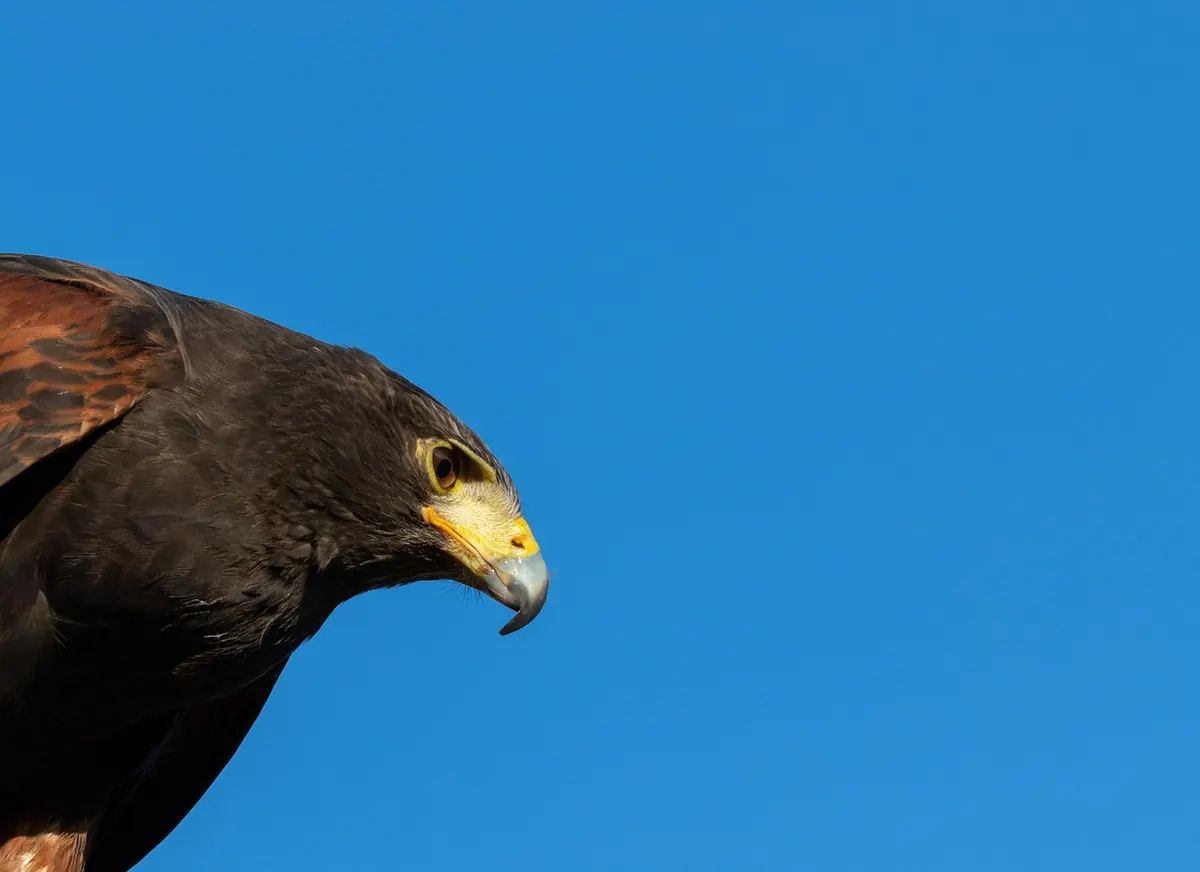
Photo: TheOtherKev / Pixabay