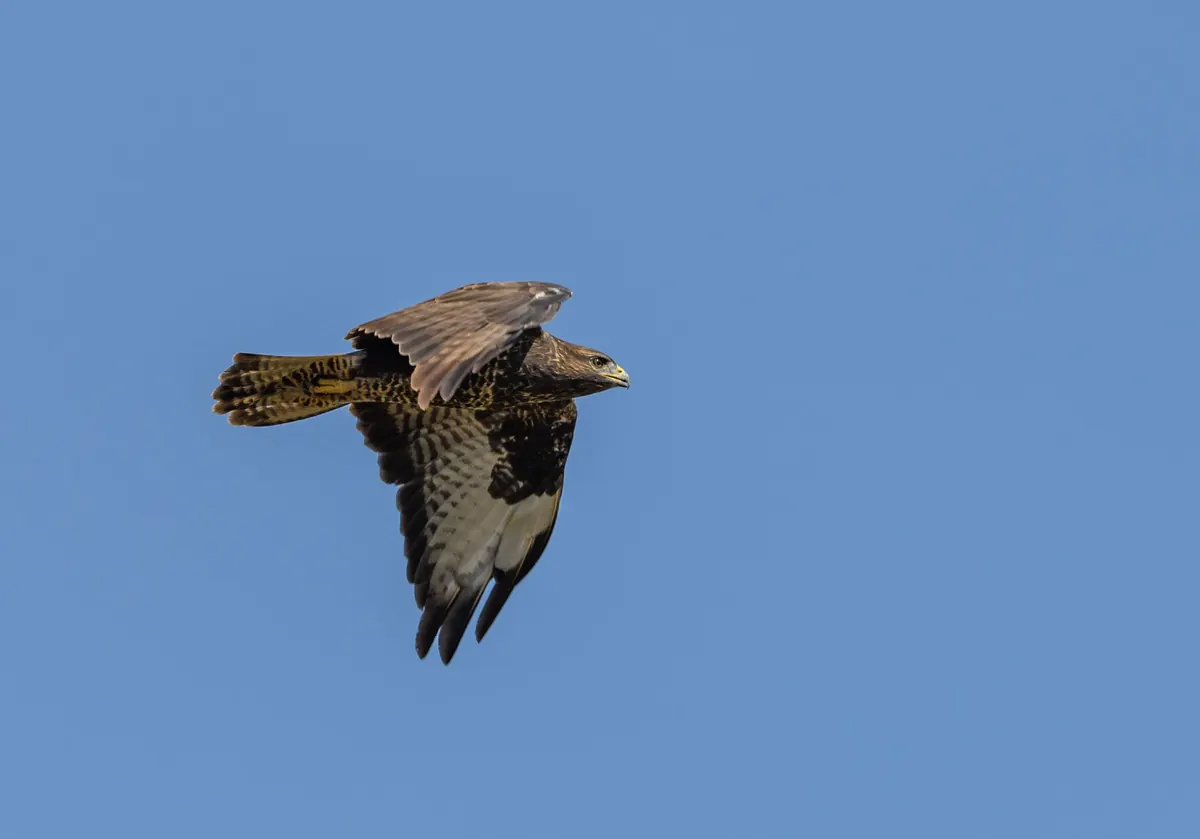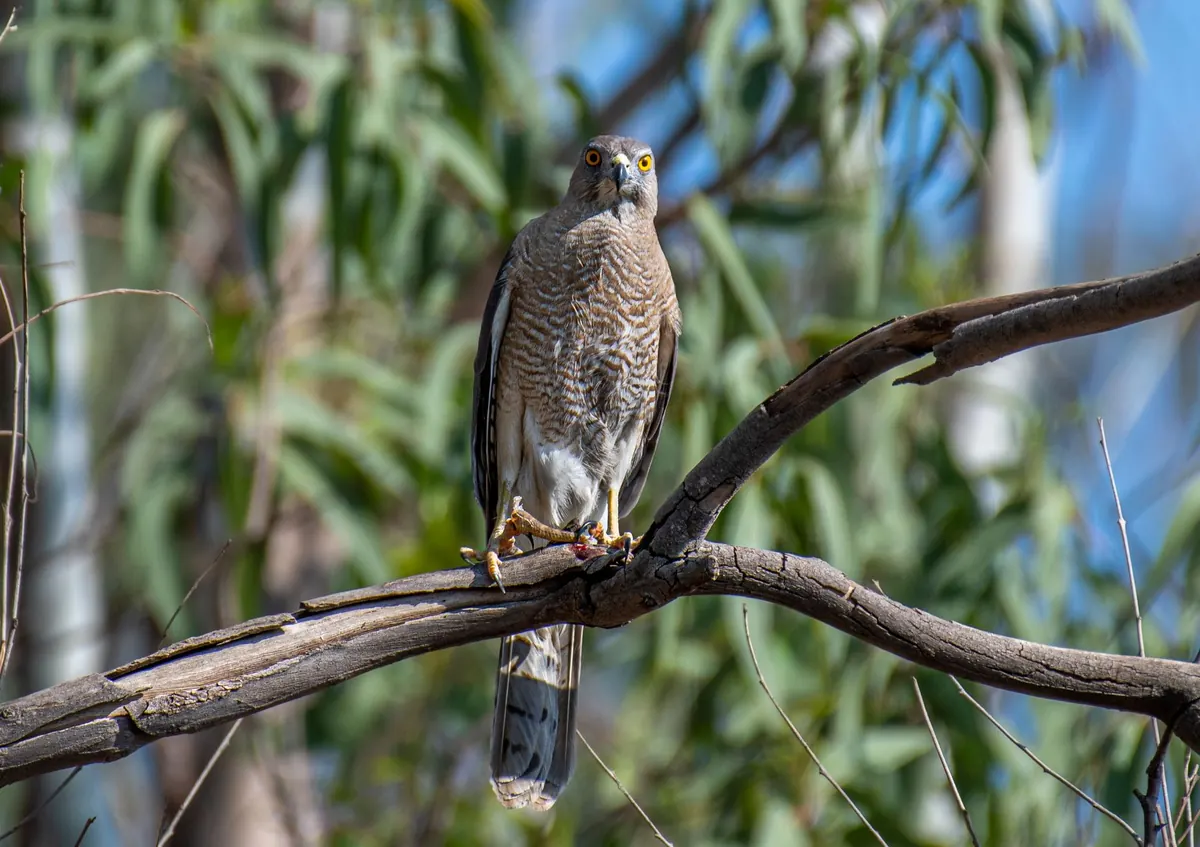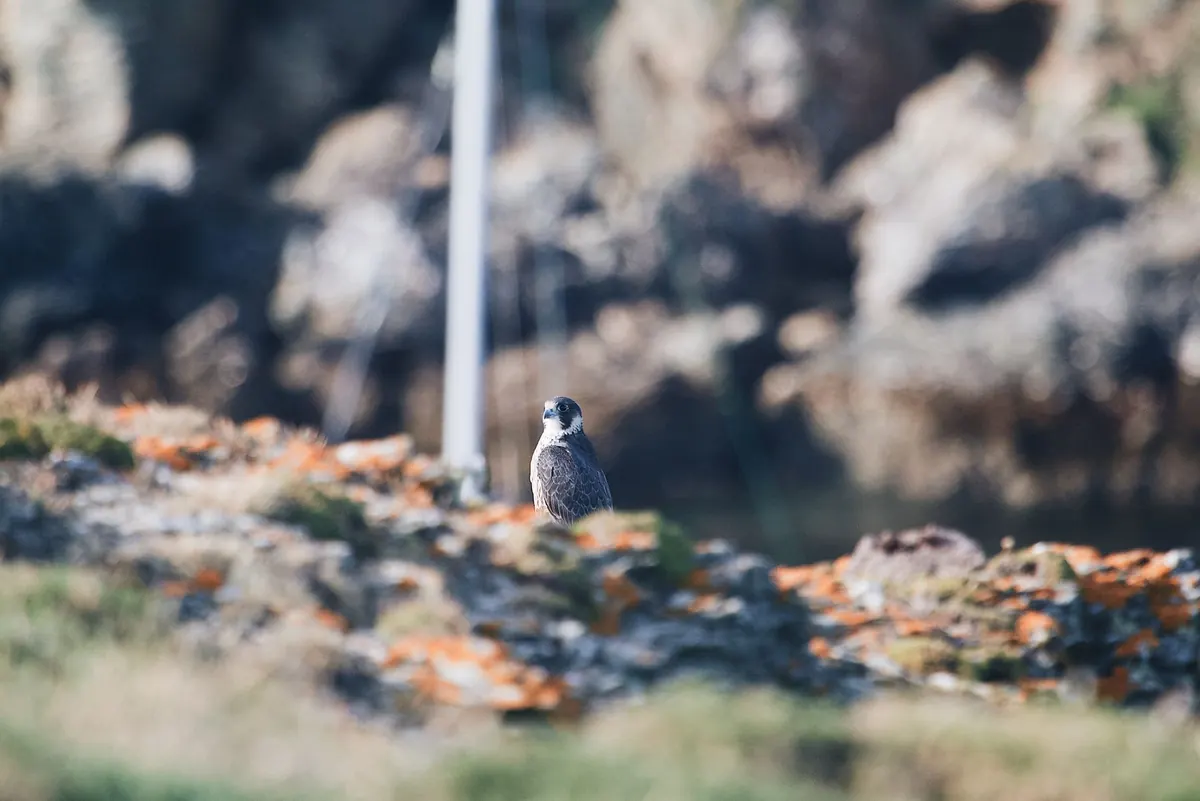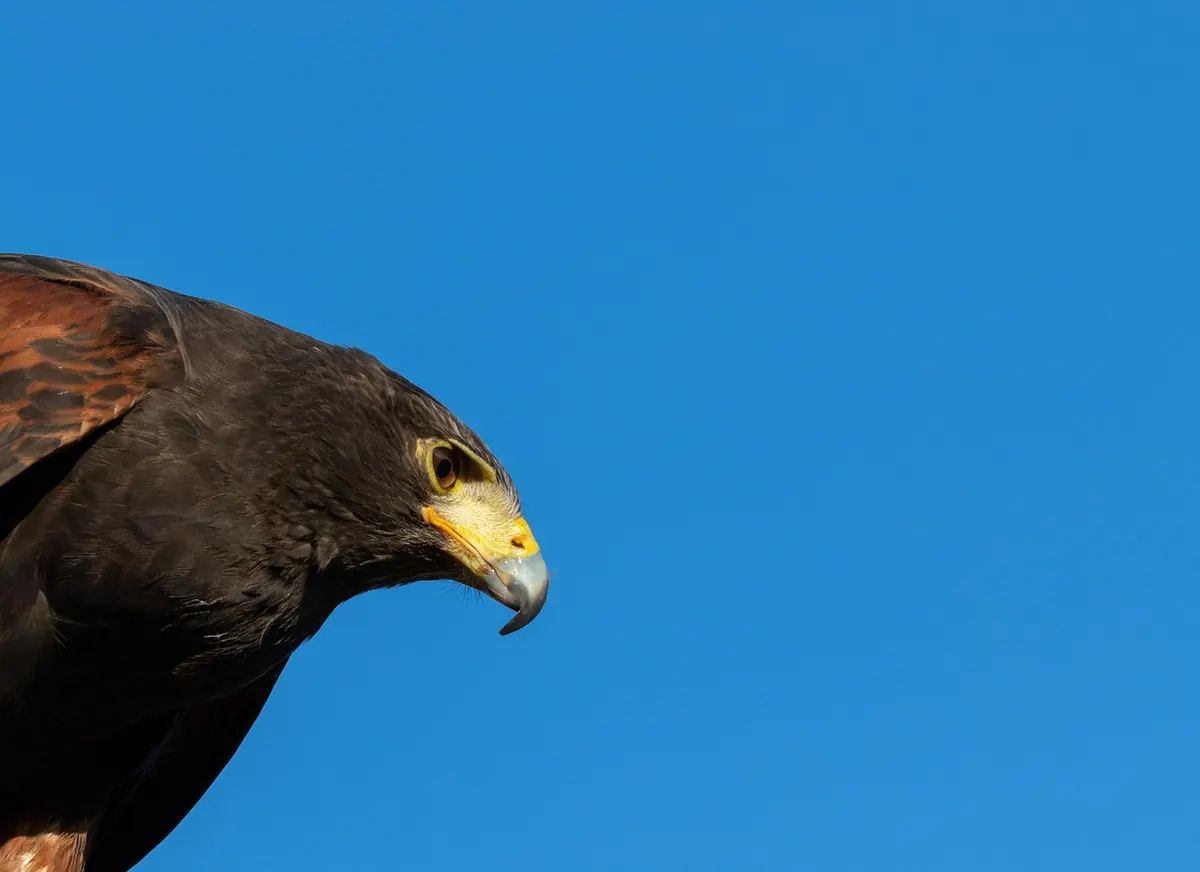
British raptors do not read calendars, but they keep a schedule all the same. The hen harrier hunting a coastal marsh in January may be sky-dancing over an upland moor by April. The hobby hawking dragonflies above a gravel pit in August will be south of the Sahara by October. Once you know that rhythm, your birding changes: you stop going out hoping and start going out knowing. What follows is a month-by-month picture of what our birds of prey are doing across the UK, and where to put yourself to see it.
Late winter: January and February
January is a roost month. Hen harriers gather at dusk on coastal grazing levels, lowland marshes and moorland edges, sometimes a dozen or more birds circling down into reeds together. Short-eared owls hunt by day over the same rough grass, quartering low with that loose, floppy wingbeat, and merlins make fast, low dashes across the same ground. On estuaries such as the Dee, the Ribble and the Humber, wintering peregrines push wader flocks into tight, panicky clouds.
In Scotland, golden eagles are already on territory. Pairs soar together on the first clear, still day, and you may hear the thin yelp of a bird calling to its mate. Buzzards start early too: by mid-February the mewing call is back, and birds rise in wide circles, tumbling with half-closed wings.
Late February is also when goshawks begin their display. The famous rollercoaster flight over the treetops is easy to miss if you are not ready for it, so pick a bright, calm morning and watch the sky above mature woodland from a distance.
March and April: the display season
This is the best six weeks of the raptor year. Marsh harriers sky-dance above reedbeds, males rising, stalling and dropping with wings held in a deep V. Hen harriers do the same over heather, and their grey, black-tipped males are unmistakable against a dark hillside.
Ospreys return to Scottish and English nest sites from late March into early April, and the first bird on a nest platform is a genuine event at the well-watched reserves. Peregrines lay in March and April on crags and cathedrals alike; in towns you can often watch a tiercel bringing food to a ledge while the falcon calls him in.
Buzzards, kestrels and sparrowhawks are all nesting or preparing to, and the skies over any decent bit of countryside are busy. Wind matters: raptors soar on thermals, so a light breeze and sunny spells beat a grey, flat day.
May and June: nests, food passes and young
Hobbies arrive from late April and are at their best in May and June evenings, hunting insects high over wetlands and heathland. Honey buzzards slip back into a small number of Welsh and Scottish woodlands in late May; look for a bird soaring with wings held in a shallow arch and a small, pigeon-like head.
Food passes are the easy win now. A male kestrel or peregrine brings prey towards the nest, the female flies out to meet him, and for a second the two birds are together in the air with the food changing feet. On a good evening you can see this happen several times.
Late spring is disturbance season. Several raptors are protected by law at and near the nest, and photographs or exact locations shared publicly can put birds at risk. Watch from paths, keep your distance and follow any site guidance.
July and August: dispersal
By July the woods and moors are full of brown, streaky juveniles, still begging loudly from fence posts and dead trees. Marsh harriers drift over reedbeds with their young in tow, red kites sail over fields in loose family groups, and ospreys fish steadily to feed growing chicks.
August is kind birding. Hobbies hawk dragonflies over heathland and gravel pits, often at dusk, and family parties can be watched from a car park for an hour at a time. Adult birds begin to look scruffy as they moult, which makes the clean, fresh juveniles easier to pick out. Keep a notebook: noting where juveniles appear now tells you a lot about where birds will settle next spring.
September and October: migration
Ospreys head south through September, and hobbies follow close behind. Coastal watchpoints come into their own: on a day with a light headwind, sparrowhawks, kestrels, buzzards and the odd osprey can be counted moving along a headland or estuary edge.
October brings the arrivals. Hen harriers, merlins and short-eared owls come in from Iceland and Scandinavia, and peregrines take up winter territories on estuaries and coastal marshes. Red kites wander widely, and a windy autumn day can put birds almost anywhere. If you only do one thing this month, spend a morning on a coastal ridge and watch what crosses.
November and December: roosts and cold weather
Roost watching is the winter speciality. Get to a reedbed or marsh an hour before sunset, find a spot with a clear view, and wait. Marsh harriers often come in first, then hen harriers, sometimes with merlins dashing past at the last moment. Short-eared owls hunt until dusk on nearby grassland.
Cold snaps concentrate birds. Peregrines appear wherever starlings murmur, and the sight of a falcon cutting through a murmuration is worth standing in the frost for. Red kites gather at communal roosts in winter too, particularly in Wales and the Chilterns, and late December is a good time to catch them drifting in during the last hour of light.
Planning your raptor year
You do not need to travel far to follow this calendar; you need to be in the right habitat at the right hour.
- Pick a local patch with one good roost, one open ridge and one wetland, and visit all three through the year.
- Learn three calls: buzzard mewing, kestrel's sharp kee-kee-kee, and the alarm chatter of jays and magpies that often gives away a raptor.
- Time your visits to the edges of the day, especially for roosts and food passes.
- Check the wind before you go. Light winds and broken cloud suit soaring birds; a headwind along a coast concentrates migrants.
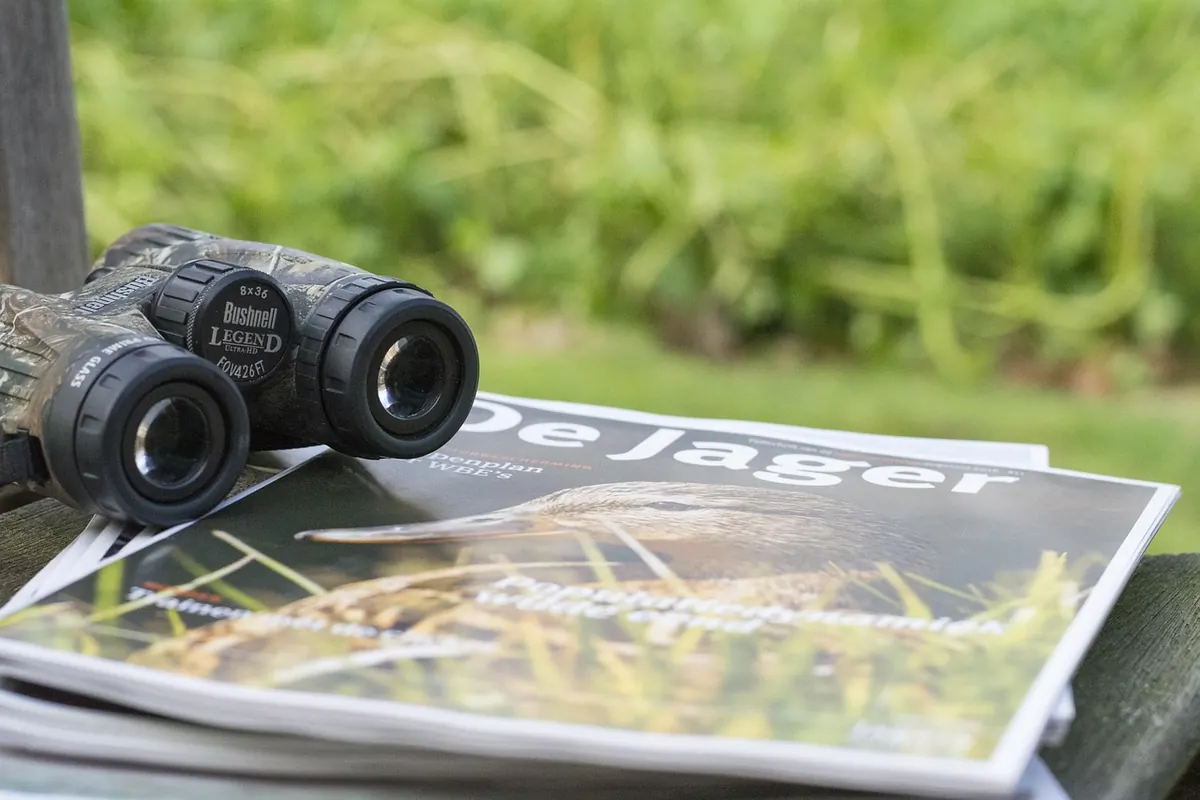
Keep a simple kit in the car: binoculars, a scope if you have one, a notebook and a flask. Add a spare layer, because the best raptor watching always seems to happen at dusk in November.
- Never approach an active nest and do not publish precise locations of sensitive breeding birds.
- Watch for behaviour, not just identification — a bird carrying prey or circling a wood tells you far more than a silhouette on a post.
- Support your local raptor study group or reserve; their records and viewpoints make this kind of watching possible.
None of this is complicated, and it is remarkably rewarding. Go out often, go out slowly, and the year will fill itself with birds.
Photo: sabinevanerp / Pixabay